
Savvy Plans
Become “owner in command” of your maintenance with our veteran general aviation maintenance experts in your corner
Savvy Offers Four Annual Plans –
Choose the Plan that’s Right for You

“AAA FOR GA” PLUS KEY REPORTS
SavvyBasics
Piston Single: $99/yr
Piston Twin: $149/yr
SavvyBasics equips pilots with cutting-edge engine reports generated by The Savvy Platform, the world’s most powerful software for interpreting piston aircraft monitor data. Have peace of mind your aircraft is safe to fly.
SavvyBasics also includes 24/7 breakdown assistance, at no additional cost.

LISTEN TO WHAT YOUR ENGINE IS SAYING
SavvyAnalysis
Everything in SavvyBasics + Expert Human Analysis of Engine Data and Borescope Images
Piston Single: $189/yr
Piston Twin: $289/yr
SavvyAnalysis adds our expert GA Maintenance Analysts to your team.
Utilize all the diagnostic reports of SavvyBasics plus expert human analysis of your engine monitor data and borescope images for an unparalleled understanding of your plane’s health.
As a SavvyAnalysis Client, you gain 24/7 breakdown assistance, at no additional cost.

BEST BANG FOR THE BUCK
SavvyQA
Everything in SavvyAnalysis + Expert Maintenance Advice Whenever You Need It
Piston Single: $449/yr
Piston Twin: $599/yr
Continue managing your own maintenance but with our team of trusted technical experts in your corner. Whenever you have a maintenance question or need a recommendation or second opinion, our experts have the answers!
SavvyQA includes all the services of SavvyAnalysis plus 24/7 breakdown assistance, at no additional cost.

OUR FLAGSHIP “EVERYTHING” PLAN
SavvyMx
Everything in SavvyQA + Full-Service Maintenance Management + a Dedicated A&P/IA Account Manager
Piston Single: $899/yr
Piston Twin: $1199/yr
Our flagship plan provides you with a dedicated A&P/IA account manager who works directly with your shop and mechanics, so you never have to handle a maintenance event or aircraft prebuy alone.
SavvyMx includes all the services of SavvyAnalysis plus 24/7 breakdown assistance, at no additional cost.
Service & Cost Comparison
BEST VALUE
Monitor Your
Engine's Health
SavvyBasics
$99/yr
Access to engine data graphing platform
Unlimited uploads of engine monitor data
and borescope images
Breakdown assistance away from home 24/7/365
FEVA (failing exhaust value analytics) reports
Report Cards + Trend Reports
More About
SavvyBasics >
BEST VALUE
Experienced Analyst's
Interpretation of Your Plane's Data
SavvyAnalysis
$189/yr
Access to engine data graphing platform
Unlimited uploads of engine monitor data
and borescope images
Breakdown assistance away from home 24/7/365
FEVA (failing exhaust value analytics) reports
Report Cards + Trend Reports
Expert analysis of your engine data and borescope images
More About
SavvyAnalysis >
BEST VALUE
Expert A&P/IA Advice
When You Need It
SavvyQA
$449/yr
Access to engine data graphing platform
Unlimited uploads of engine monitor data
and borescope images
Breakdown assistance away from home 24/7/365
FEVA (failing exhaust value analytics) reports
Report Cards + Trend Reports
Expert analysis of your engine data and borescope images
Expert maintenance consulting with our A&P/IAs
Expert second opinions
Shop and supplier recommendations
Parts research and sourcing
Review of work orders and invoices
More About
SavvyQA >
BEST VALUE
Full-Service
Maintenance Management
SavvyMx
$899/yr
Access to engine data graphing platform
Unlimited uploads of engine monitor data
and borescope images
Breakdown assistance away from home 24/7/365
FEVA (failing exhaust value analytics) reports
Report Cards + Trend Reports
Expert analysis of your engine data and borescope images
Expert maintenance consulting with our A&P/IAs
Expert second opinions
Shop and supplier recommendations
Parts research and sourcing
Review of work orders and invoices
Comprehensive maintenance management
Prebuy management nationwide (for buyers)
Dedicated A&P/IA account manager
We work directly with your shop and mechanics
More About
SavvyMX >
NOT READY TO ENROLL IN A PAID PLAN?
Try SavvyFree
Savvy clients at every level have access to The Savvy Platform – The world’s leading software for analyzing information gathered from piston aircraft data monitors.
Analyze your engine data for free using the same powerful flight data charting tools our professional data analysts use with SavvyFree.
JOIN THE 10,000+ GA OWNERS USING THE SAVVY PLATFORM
Gain access with every Savvy Plan from SavvyFree to SavvyMX
The Savvy Platform transforms your data into easy-to-understand infographics. Upload, store, and view engine monitor data in graphical form to aid your analysis.

Drag and drop your borescope images in The Savvy Platform, tag them by cylinder view, annotate them to indicate condition, then generate PDF reports that combine your images and annotations in an elegant report format.

Never worry about losing essential flight metrics with unlimited uploads of engine monitor data. Every flight you upload has its data automatically scanned by our proprietary algorithm.
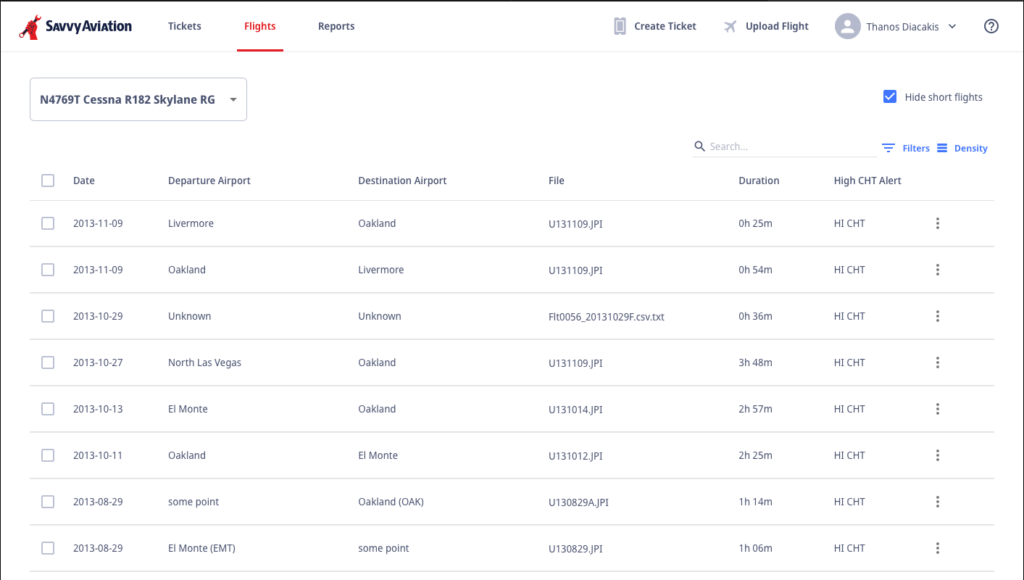
The user interface for The Savvy Platform is web-based, so it works with PCs, Macs, tablets, and mobile devices. You can access SavvyAnalysis from almost any device with Internet connectivity and a standard browser (Chrome, Safari, Firefox, Edge, etc.)

Have Questions About Our Maintenance Plans?
We’re Here to Help.
The Savvy Platform

Visualize your Data Graphically.

Organize and Annotate Your Borescope Images
Drag and drop your borescope images in The Savvy Platform, tag them by cylinder view, annotate them to indicate condition, then generate PDF reports that combine your images and annotations in an elegant report format.

Archive Flights with UNLIMITED Storage.
Never worry about losing essential flight metrics with unlimited uploads of engine monitor data. Every flight you upload has its data automatically scanned by our proprietary algorithm.

Access Anywhere
The user interface for The Savvy Platform is web-based, so it works with PCs, Macs, tablets, and mobile devices. You can access SavvyAnalysis from almost any device with Internet connectivity and a standard browser (Chrome, Safari, Firefox, Edge, etc.)